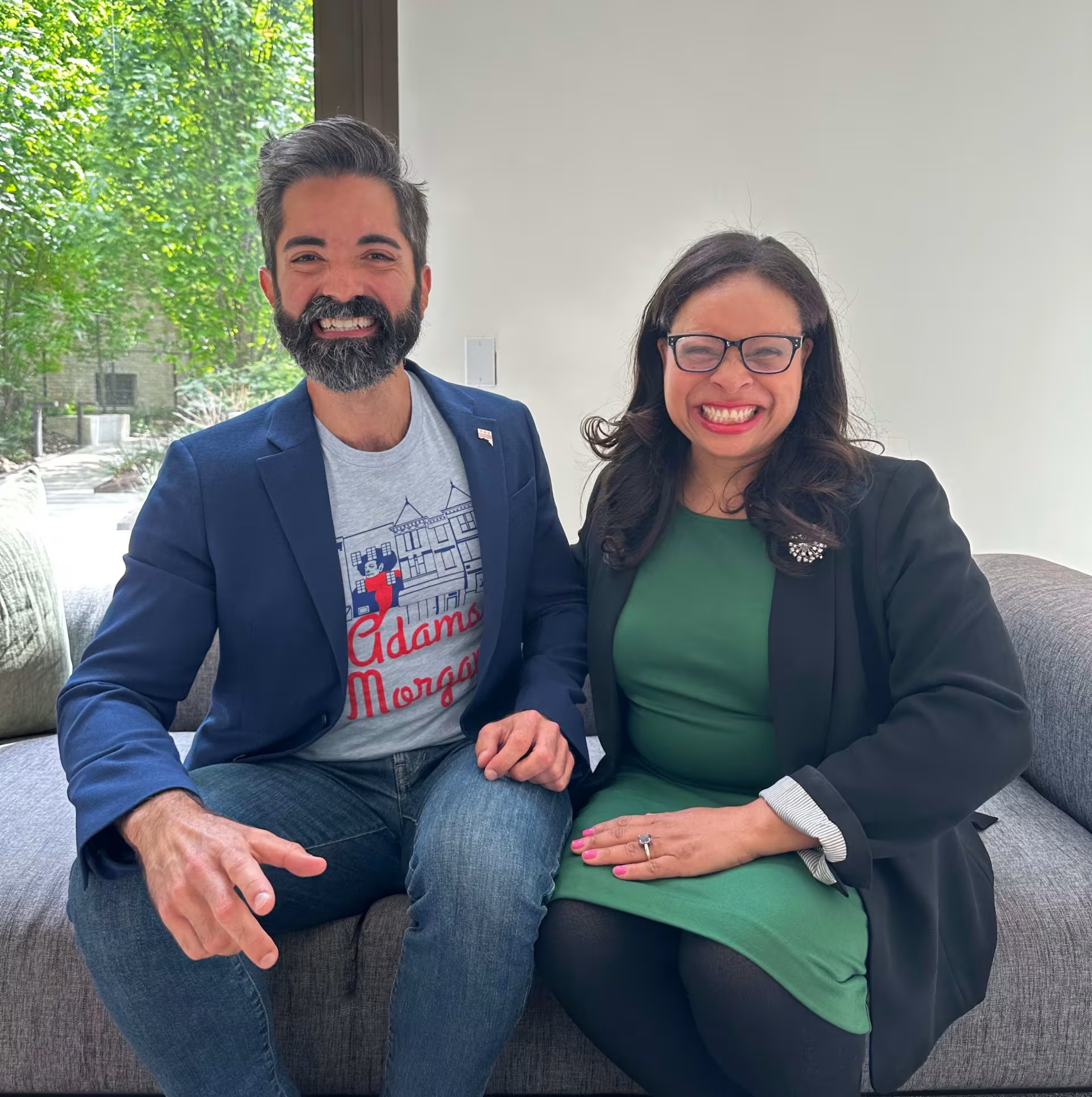
Two Ward 1 candidates are teaming up in an unusual alliance — and urging voters to rank them both — in one of the clearest signs yet that ranked choice voting is reshaping D.C. campaigns.
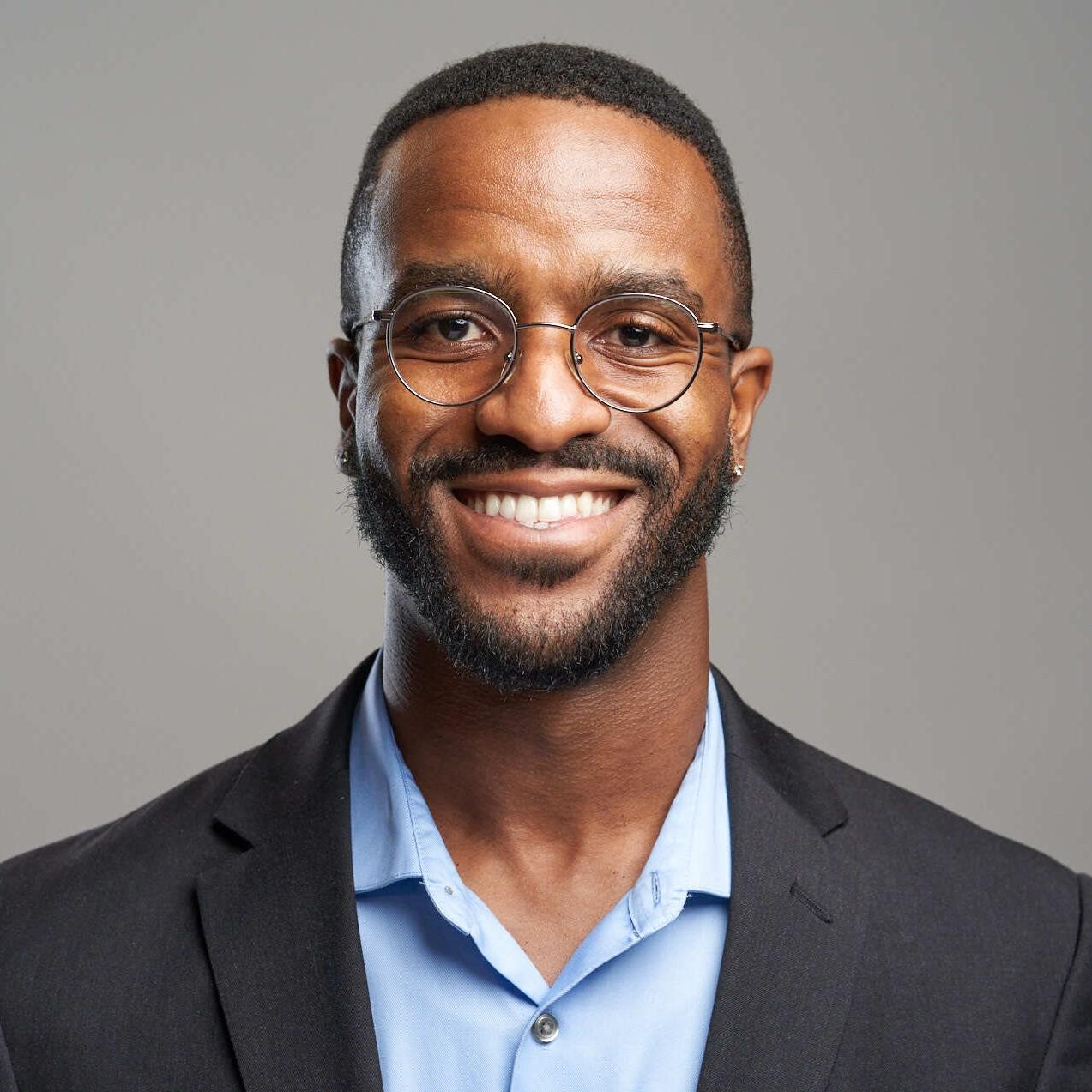
Advisory Neighborhood Commissioners Rashida Brown and Miguel Trindade Deramo, who are both running in the crowded Ward 1 Democratic primary, are formally co-endorsing each other and encouraging supporters to rank them first and second. The partnership is a strategic effort to consolidate overlapping bases and boost their chances under the city’s new voting system. The two share similar policy platforms focused on tenant protections, neighborhood-level services and making the city more affordable.
“Miguel and I just have that synergy between the two of us, where both our campaigns are very positive and supportive of each other,” Brown, 48, said Wednesday. “Oftentimes we’re sharing the same ideas, and that’s what ranked choice voting is really about — if you’re grappling with one candidate or the other, you don’t have to.”
The partnership is an early test of how ranked choice voting could reshape campaign strategy in the District. Instead of attacking competitors in the same ideological lane, Brown and Trindade Deramo are betting that their coalition will help them gain an edge in the competitive, five-way contest to replace outgoing Council member Brianne K. Nadeau (D).
A recent Greater Greater Washington survey suggests that most voters in the ward remain undecided. Brown has about $111,000 in campaign funds, while Trindade Deramo — who chairs ANC 1B, which includes the U Street corridor — reports roughly $50,000 as part of a grassroots campaign.
The two are navigating a field that includes frontrunner Aparna Raj, former chair of the Metro DC chapter of the Democratic Socialists of America, who holds a commanding fundraising lead with more than $201,000 cash on hand, as well as former Bowser administration official Jackie Reyes Yanes and longtime civic activist Terry Lynch.
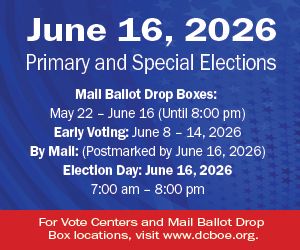
Under D.C.’s new RCV rules, voters can rank up to five candidates in order of preference, requiring the winner to secure more than 50 percent of the vote. As part of their cross-endorsement strategy, Brown, a five-term ANC who is endorsed by Nadeau, will ask her supporters to rank her first and Trindade Deramo second. Trindade Deramo will ask his base to do the opposite.
That way, if one of the two is eliminated in an early round of tabulations, their votes will automatically transfer to the other. By pooling their “second-choice” support, Brown and Trindade Deramo aim to outlast a frontrunner who may have a strong initial base of support but lacks a broad enough consensus to reach the 50 percent threshold. Whether that strategy can overcome a well-funded frontrunner like Raj remains an open question, particularly in a race where early first-choice support could prove decisive.
“When a politician wins with a 20 percent plurality, as very often happens in D.C., the incentive structure is for them to keep that 20 percent very, very happy all the time,” Trindade Deramo said. “They’re not always forced to build that bigger coalition.”
The mechanics of their alliance will be formalized in a video rollout in the coming days — an effort that was recently leaked by an eagle-eyed Reddit user who spotted the candidates filming this week. Their approach appears to be heavily inspired by a similar cross-endorsement video used by Zohran Mamdani and Brad Lander in New York City. The candidates said they appreciated how the New York rollout didn’t coddle voters, but instead offered transparent instructions on the new system.
Brown, if elected, would be the first Black woman to represent Ward 1. Reyes Yanes and Trindade Deramo, the latter of whom served as the lead organizer for the successful initiative that brought RCV to the District, could both make history as the first Latino council member if elected.
The system is designed to help voters choose the candidate whose platform resonates with them the most, rather than choosing who might win based on a majority. But there's still a learning curve, Brown said. Some longtime voters are still struggling with the concept, but she added that recent education efforts by the city’s Board of Elections have noticeably helped.
In the meantime, the candidates say their partnership offers a timely message of solidarity in Ward 1, particularly in neighborhoods affected by federal immigration operations.
“That fear is still palpable and ongoing,” particularly among the Latino community, Trindade Deramo said. “So to say, ‘We are one community, we can pull together,’ is a source of inspiration.”
The alliance may signal a shift in how candidates compete under ranked choice voting — but its success will depend on whether voters embrace the strategy as readily as the campaigns have.